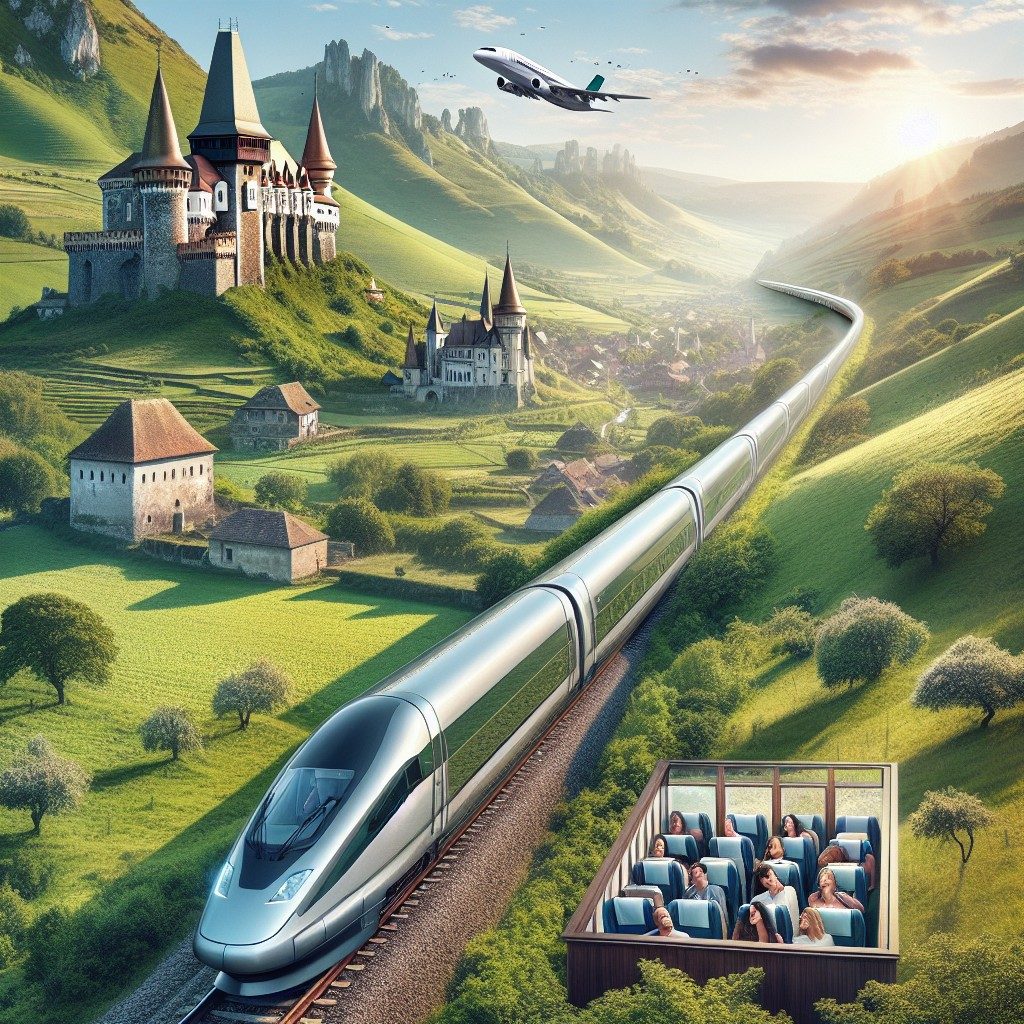
Romania is poised to take significant strides in its railway infrastructure with upcoming high-speed rail transport projects aimed at modernizing and expanding the country’s connectivity. These developments could substantially enhance travel times and economic integration both domestically and with neighboring European countries.
Current state of rail transport in Romania
Romania’s rail transport system has historically been an essential component of national transport, yet it faces challenges including outdated infrastructure and limited speed capabilities. Much of the current network is composed of lines that were built in the mid-20th century, resulting in slower transit times compared to Western European countries. Investments in modernization and maintenance have been made, but the system still lags behind in terms of efficiency and comfort.
High-speed rail projects under consideration
The Romanian government, in collaboration with the European Union and international partners, has proposed several high-speed rail projects intended to transform travel within the country. One prominent plan involves establishing a high-speed corridor connecting Bucharest with major cities such as Cluj-Napoca, Timișoara, and Iași. These lines would support speeds of up to 250 km/h, a significant upgrade from the current average speeds of around 100 km/h on conventional tracks. The goal is to cut travel times drastically and promote rail transport as a competitive alternative to road and air travel.
Economic and regional impact of upgrades
Enhancing rail transport through high-speed connections is expected to strengthen economic ties between key urban centers in Romania. Faster, reliable transportation encourages business travel, tourism, and regional development. For example, the improved link between Bucharest and western cities may facilitate more efficient movement of goods and labor, boosting productivity. Moreover, these projects align with the European Union’s cohesion policies aimed at reducing regional disparities and promoting sustainable transport solutions.
Environmental and social implications
Upgrading rail transport to high-speed infrastructure has important environmental benefits by potentially reducing road traffic and lowering carbon emissions related to domestic travel. Trains offer a more energy-efficient mode of transport compared to cars or planes, and increasing their attractiveness could support Romania’s commitments to climate goals. Socially, these projects may improve accessibility for communities along the routes, enhancing access to education, healthcare, and employment opportunities.
Challenges and implementation considerations
Despite the promising prospects, the implementation of high-speed rail projects in Romania faces several challenges. Financial constraints, complex procurement processes, and the need for extensive infrastructure upgrades present obstacles. Additionally, thorough environmental assessments and community consultations are required to ensure sustainable development. Coordination with European rail networks must also be prioritized to guarantee interoperability and maximize connectivity benefits.
When considering rail transport modernization, Romania will need to balance ambitious goals with practical constraints, learning from experiences of other European countries that have successfully deployed high-speed rail systems.
Conclusion
The high-speed rail transport projects in Romania represent a critical opportunity to transform the country’s infrastructure and promote regional development. While the journey toward implementation involves complex challenges, the potential benefits in terms of economic growth, environmental sustainability, and enhanced mobility could be substantial. As Romania advances these projects, it will contribute to integrating its transport network more deeply into the European system and fostering a more connected future.
Frequently Asked Questions about rail transport
What benefits can Romania expect from upgrading its rail transport to high-speed?
Upgrading to high-speed rail transport in Romania is expected to reduce travel times significantly, improve economic connectivity between major cities, and offer a more environmentally friendly transportation option compared to road or air travel.
How does Romania’s current rail transport infrastructure compare to other European countries?
Romania’s rail transport infrastructure is generally less developed and slower compared to Western European countries, with many lines requiring modernization to meet current high-speed standards.
What are the main challenges Romania faces in implementing high-speed rail transport projects?
The primary challenges include securing adequate funding, upgrading existing infrastructure, ensuring environmental compliance, and coordinating with European rail networks for seamless integration.
How will high-speed rail transport impact the environment in Romania?
High-speed rail transport offers a more energy-efficient and less polluting alternative to cars and planes, potentially reducing Romania’s transport-related carbon emissions and aiding climate change mitigation efforts.
Where can I find more information on international rail transport standards and developments?
Authoritative information on rail transport standards and developments is available from organizations such as the International Union of Railways (UIC), which provides global insights into rail system innovations and policies.